Best man speech nerves: how to get over them
Dreading the best man speech? Why the nerves show up, what helps in the weeks before and on the day, and how to rehearse until it feels familiar.
5 min readFor best men and maids of honour1 drill
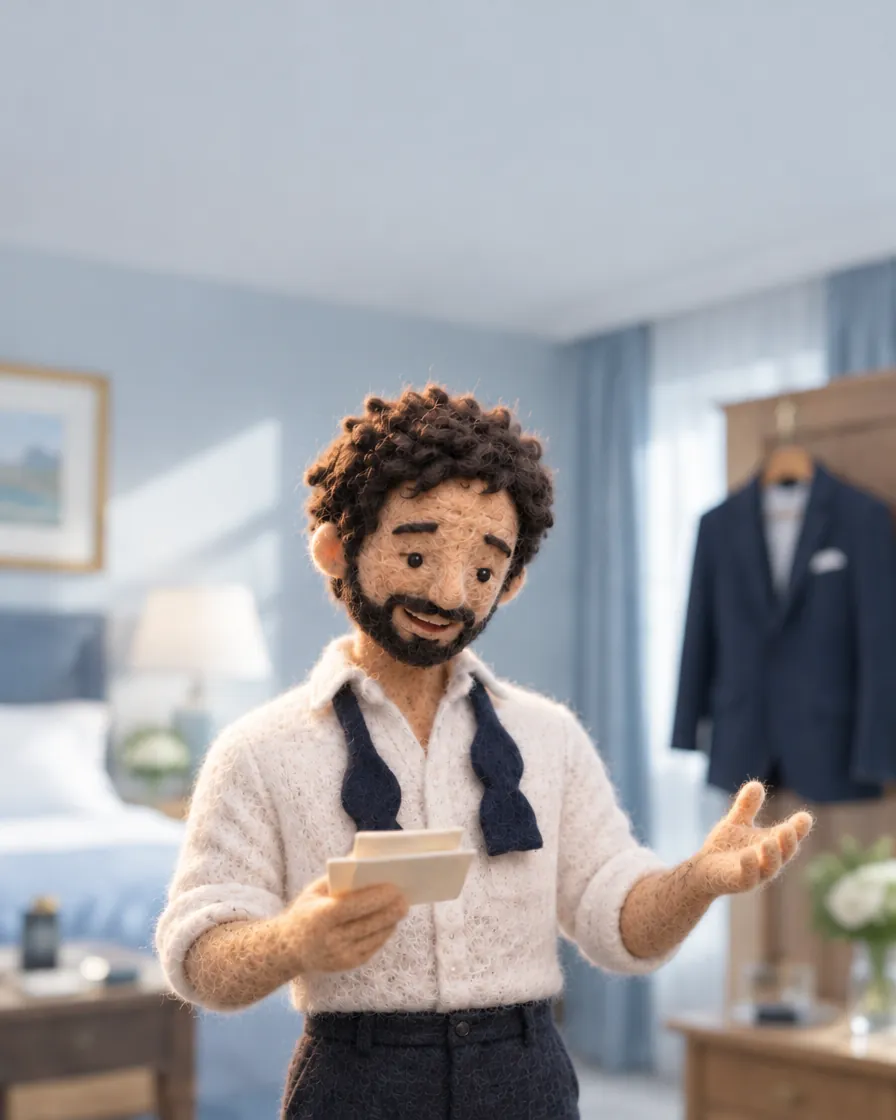
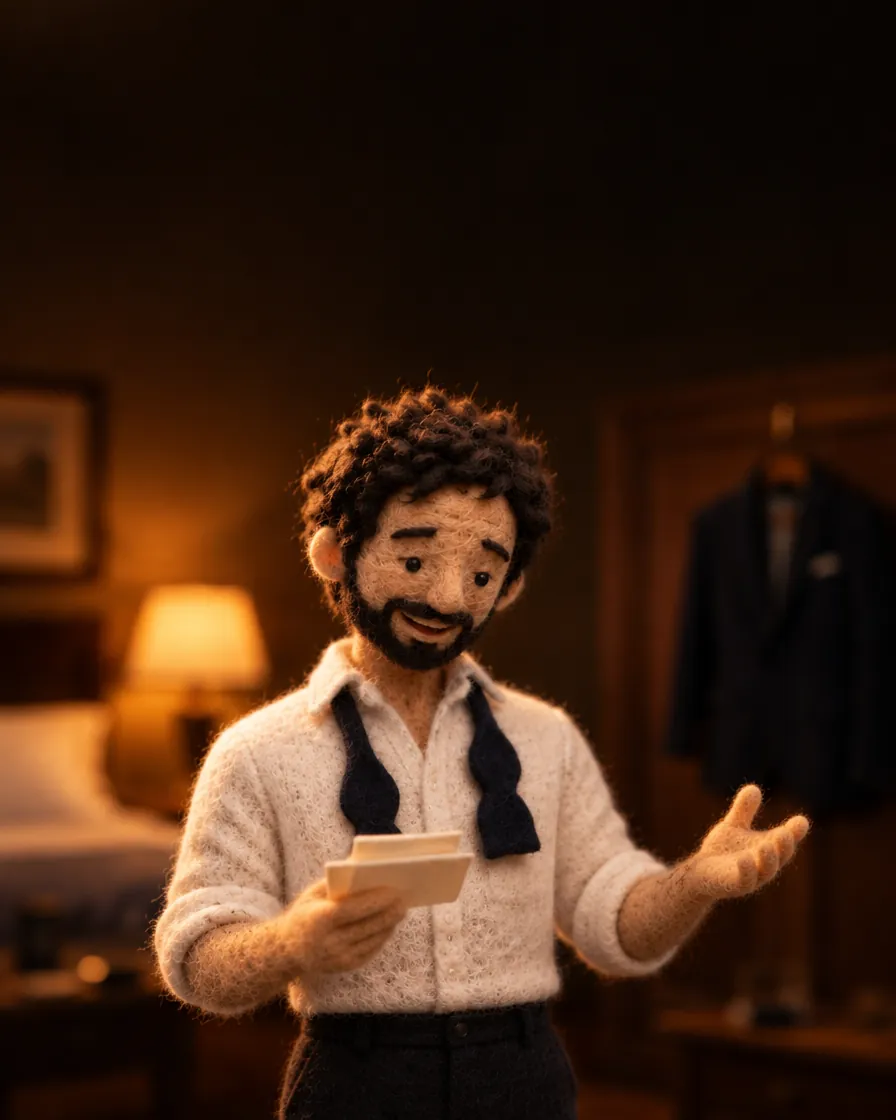
You said yes the moment he asked, and part of you has been dreading the best man speech ever since. That's normal. Most best men have never held a microphone at a wedding before, and the speech is the one moment of the day when everyone stops talking and looks at you.
A wedding is also about the kindest room you'll ever speak to. Everyone there wants the speech to go well, most of them have had a drink, and they will laugh at the first joke that comes anywhere close.
Why a best man speech feels worse than other speaking
Stage fright before a best man speech has a few causes of its own. You're speaking to people who know the groom in completely different ways: his parents, his school friends, his new in-laws, someone's gran in the front row. A story that lands with his five-a-side mates might fall flat with the bride's family.
Then there is the wait. At most UK weddings the speeches follow an order, and the best man usually goes last, after the father of the bride and the groom. So you sit through the meal and two other speeches with yours in your pocket, which gives the nerves plenty of time to build.
All of that explains why your heart is going before you've said a word. It doesn't mean you'll do badly.
Write a speech that is easier to say
A speech that's hard to say makes the nerves worse, so a few choices at the writing stage make the day much easier.
- Keep it short (more on length below).
- Tell one or two good stories rather than a string of one-liners. A story carries you along; one-liners leave you exposed after each one.
- Leave out jokes only a handful of people will get, and anything you'd have to explain to the bride's gran.
- Write it the way you talk. Short sentences are easier to say when your mouth is dry.
- Know exactly how you end: a line about the couple, then the toast.
If you need help with structure, the order most people use is a thank you, a bit about how you know the groom, a story or two, something warm about the couple and the toast.
How long should a best man speech be?
Five minutes or so is plenty at most UK weddings, and nobody minds a best man who stops early. Time it by saying it out loud at a relaxed pace, because a speech always runs longer spoken than it does read in your head. If yours runs well past that, cut a story rather than planning to talk faster. A shorter speech is also easier to rehearse until it feels familiar.
Rehearse your best man speech out loud
Most best men skip this step. Say the speech out loud once and you'll find the sentence that trips your tongue, the joke that needs a pause before the punchline and the bit that runs far longer than it looked on the page. Twenty silent read-throughs won't show you any of that.
A simple routine, spread over a couple of weeks:
Watching yourself back is uncomfortable for nearly everyone. It's also the fastest way to find out how you come across, because you can see what the room will see. There is more on this in how to practise a speech at home.
Practise this now
Say your opening out loud tonight.
Record a minute, watch it back and get one thing to try next.
Rehearse your first minuteNotes, cards or memorised?
Don't try to memorise the whole thing word for word. If you lose one word you can lose the whole thread, and the effort of recalling a script makes it sound recited.
What works for most people is to know two parts by heart, the opening line and the toast, and to keep the middle as short prompts on cards. Cards are better than a phone because they don't lock or light up with messages, and they give your hands something to do. Number them, in case you drop them.
On the day
If your hands or voice shake
Shaking hands and a wobbly voice are adrenaline, and they usually settle once you're a minute or two in. Hold your cards in both hands, or rest them on the table. Keep the microphone close to your chin and steady against your chest rather than out at arm's length. For your voice, slow down and aim it at the back of the room; it steadies when you give it somewhere to go.
By the time you stand up, the words, the weight of the microphone and the sound of your own voice saying them should all feel familiar. That comes from saying it out loud, more times than feels necessary, in the weeks before the wedding.